How Do You Trace Ant Trails Across Nevada Counters?
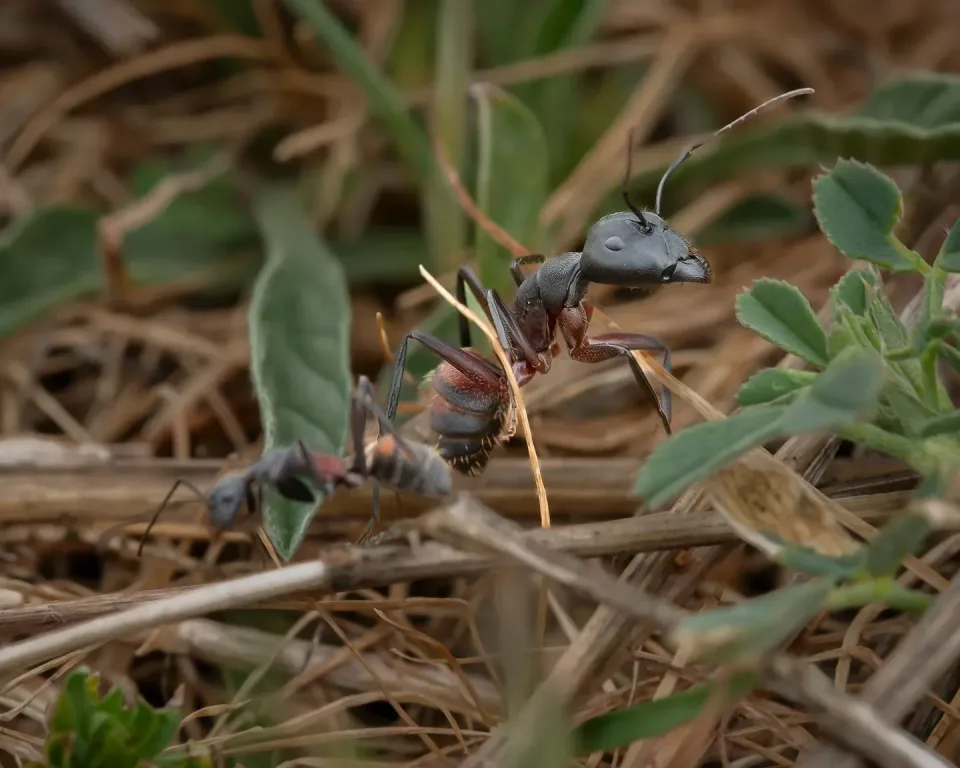
When ants cross your kitchen counter, follow the line instead of wiping it away immediately. Watch where the workers travel and check the route back toward a gap, cabinet edge, or food source. A short observation can show whether they are entering through a window, plumbing opening, or another connection.
Nevada’s inland climate, with no ocean coastline, means your home’s conditions can differ from those in coastal regions; inspect the specific route rather than assuming a common moisture source. Near Lake Tahoe Nevada State Park, seasonal conditions and surrounding vegetation can shape what reaches nearby homes, so note where the trail begins outdoors.
The Nevada State Railroad Museum is a useful Carson City reference point when describing the region, but your inspection should focus on your property. We can map the trail and explain a practical next step.
Where does the counter trail begin?
Ants crossing a counter usually follow a route to food, water, or an opening; trace the line in both directions before cleaning it. Look along backsplash seams, the underside of counter edges, cabinet corners, and gaps around pipes.
A flashlight helps reveal where workers disappear. Mark the likely entry point with a small piece of removable tape, then watch whether ants return to it.
In our field work, a missed step is cleaning the visible counter while leaving crumbs or sticky residue in a nearby cabinet. Wipe food spills and store open ingredients in sealed containers, but avoid spraying the trail before you understand its route.
Near Downtown Las Vegas, a kitchen in a busy home still needs the same careful source check as any other property. Follow first; clean second.
Should you follow ants into a cabinet?
Yes check the cabinet edge and nearby stored food, but do not move items in a way that scatters ants across the kitchen. Look for a narrow track along a shelf joint, hinge, or pipe penetration. If the trail vanishes behind a fixed cabinet or appliance, note the location rather than pulling fixtures apart.
Southern Nevada summers bring prolonged extreme heat, so ants may seek food and shelter indoors. That does not prove the source is inside the cabinet: the trail may lead through a wall or from an exterior gap.
Near Cathedral Gorge State Park, Nevada’s varied settings make it especially useful to record where activity appears instead of assuming one treatment fits every home. Our Ant Control service begins with identifying activity and accessible routes, then we explain the treatment plan.
When is a DIY response enough?
For a small, clearly visible trail with an obvious food source, clean the surface, seal food, and observe whether activity returns. Do not apply household pesticide to food-preparation surfaces unless its label specifically permits that use. Ant colonies may contain multiple queens, so killing visible workers alone may not stop a recurring route; repeated activity after basic cleanup is a good reason to ask for an inspection.
Northern Nevada winters bring freezing nights and snow, which can change where ants are noticed as conditions shift. A trail that persists despite removing food, or one that repeatedly emerges from a wall void, is beyond simple counter cleanup. We check accessible entry points and harborage, then choose an approach based on the observed activity rather than treating every surface.
Does a Carson City landmark change the inspection?
The Nevada State Museum, Carson City, gives local readers a recognizable reference point, but the inspection depends on the kitchen’s actual construction and trail location. The Nevada Northern Railway Museum likewise helps ground the discussion in a distinct Nevada community; it does not indicate a particular ant species or treatment need.
For a home near Great Basin College, note whether ants appear at one counter, multiple rooms, or around a plumbing line. That pattern helps separate a small food-source issue from a route that needs closer inspection.
We have served Nevada for more than 11 years, and we explain what we find before recommending treatment. For related reading, see How Nevada Revised Statutes Chapter 555 Covers Pest-Control Licensing or Nevada Pest Pros Blog.
Which Ant Trail Treatment Fits Your Kitchen?
If ants keep crossing the counter after cleanup, choose an approach based on whether the source is visible and whether activity returns. For a single, accessible trail, interior spot work may be enough; recurring activity may call for monitoring and a broader inspection.
| Option | Best for | Key detail |
|---|---|---|
| DIY cleanup and observation | A short trail linked to exposed food | Clean the route and watch for return activity |
| Interior spot treatment | Ants emerging at a known crack | Apply only where the product label allows |
| Preventive perimeter treatment | Activity traced toward an exterior entry | Focuses on the foundation perimeter |
| Integrated pest management | Repeated trails or uncertain source | Combines inspection, monitoring, and targeted action |
Low annual rainfall limits outdoor moisture, so a damp patch from irrigation can stand out as a localized condition worth checking. In mild Nevada winters, some pests may remain active, making follow-up observation useful.
If your property is near Red Rock Canyon National Conservation Area, use the same property-specific inspection: the landmark alone does not identify the source. Ask what route was found and what follow-up is recommended.
A Kitchen Counter Trail Checklist
-
Schedule an inspection when needed: Tell us where the trail appears and whether it returns after cleanup; share recent pesticide applications before service.
-
Clear the work area: Empty or provide access to the kitchen cabinets near the trail so the technician can inspect corners, seams, and pipe openings.
-
Protect food and pets: Cover or store exposed food and dishes, and secure pets during application if treatment is planned.
-
Point out nearby conditions: Mention irrigation close to the home; it can create localized damp areas that are useful context when checking ant activity.
-
Include other accessible areas: A hot attic can intensify pest pressure indoors, so provide access if the inspection plan calls for it. Snowmelt can raise crawl-space and basement moisture, making those spaces relevant when ants appear beyond the kitchen.
-
Review the instructions: Follow product-label re-entry directions and ask what areas were treated, what products were used, and what follow-up is advised.
Near Great Basin National Park or Lake Mead National Recreation Area, the same preparation helps us inspect the home itself rather than assume the route from its surroundings.
Ready to Get Help With Kitchen Ant Trails?
If ants keep crossing your counter after food is sealed and the surface is cleaned, trace the route and arrange an inspection rather than repeatedly spraying the visible line. Bring notes about where workers enter, when they appear, and whether the trail reaches a cabinet or wall opening.
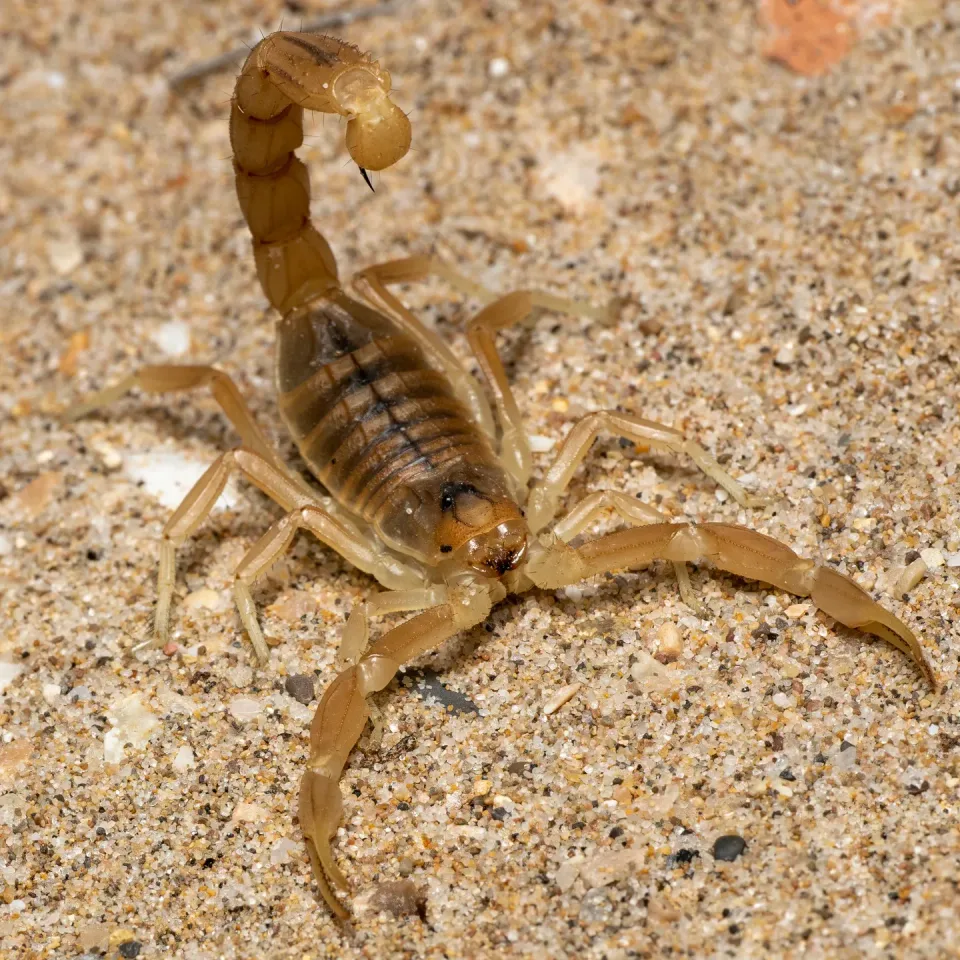
Near the Tonopah Historic Mining Park, Reno Arch, or Reno-Tahoe International Airport, those landmarks can help orient a service conversation, but the treatment plan should follow the findings at your home. Summer storms may increase scorpion activity indoors, so if you are also seeing scorpions, mention that separate concern during scheduling rather than treating it as an ant clue.
Nevada Pest Pros will explain what we find and outline practical next steps. Request a quote through Ant Control or call (855) 681-0299.