What Should You Ask After Bed Bug Bites Following a Stay?
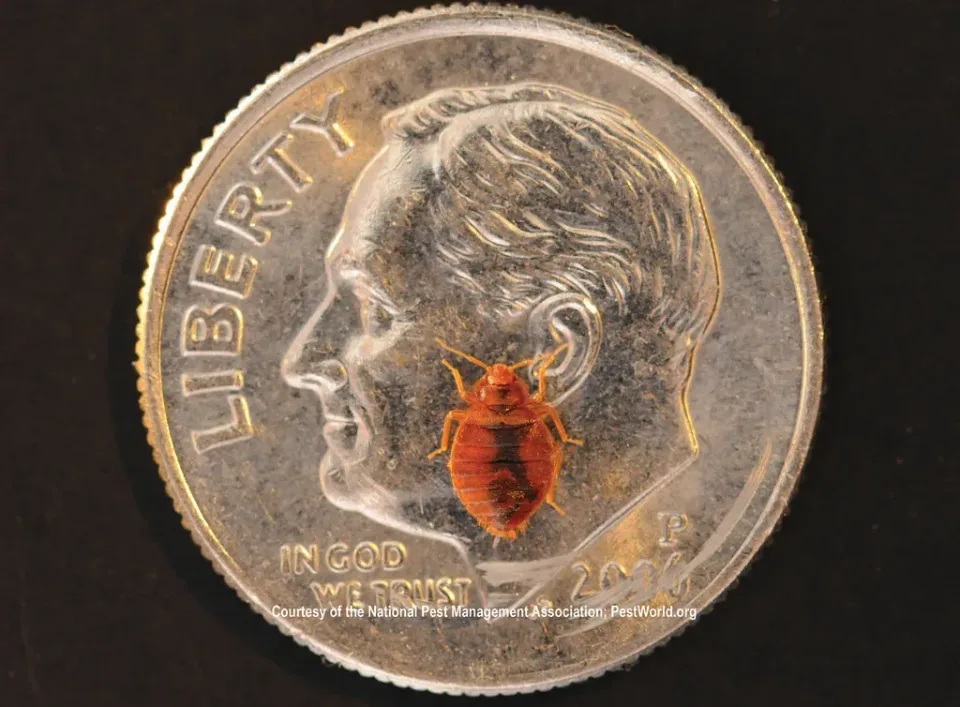
Bites after an overnight stay are not proof of bed bugs, so ask a pest professional to inspect before anyone treats the room. Start with these questions:
-
What did you inspect? Ask whether the bed, frame, nearby furniture, and likely hiding spots were checked, not just the mattress surface.
-
What evidence did you find? Request a clear explanation of any insects, cast skins, or spotting observed.
-
What preparation is required? Get written instructions before moving bedding or belongings.
Nevada’s low annual rainfall limits outdoor moisture, so bites alone should not be treated as evidence of an indoor infestation. During Southern Nevada’s prolonged summer heat, keep travel bags closed and separate until you have checked them.
If your trip included Berlin-Ichthyosaur State Park, mention where you stayed and when symptoms began; that context helps the professional understand the timeline. Keep photos and travel dates handy.
What should you ask about the Reno Arch inspection?
Start by asking the technician to explain the inspection findings room by room. For suspected bed bugs, request details on which parts of the bed, frame, headboard, nearby furniture, and room edges were examined.
Ask what specific evidence supports the conclusion, and whether the inspector found live insects or only signs that need confirmation. A clear answer separates an observed pest from a guess based on bites.
Ask how the written plan identifies the target pest, treatment locations, preparation, and follow-up. We have served Nevada for more than 11 years, and our crew finds that customers often skip asking what was actually seen.
Don’t skip that question. If your stay was near the Reno Arch, the landmark can help describe where you traveled, but it cannot confirm the source of bites. Request the findings in writing before agreeing to treatment.
Does a Nevada winter rule out bed bugs?
No. Mild winters allow some pests to remain active, so a cold season alone does not rule out bed bugs or prove they came from a particular lodging.
Ask the professional to base recommendations on inspection evidence rather than the time of year or appearance of bites. If you have not found an insect or other sign at home, ask whether monitoring or a further inspection is appropriate before applying a product.
Temperature swings stress exterior caulking and seals, a concern we consider when a customer also reports pests entering around building gaps. But a gap is not proof of bed bugs; the inspection should focus on the suspected indoor harborage and the evidence found there.
Red Rock Canyon National Conservation Area is a recognizable local reference for describing a Nevada trip, not a diagnostic clue. Tell the technician where you stayed and when you first noticed bites, then ask how those details affect the inspection not whether they establish an infestation.
When is DIY reasonable, and when should you call a pro?
If you have bites but no confirmed insect or signs, document the dates, photograph the skin if useful, and check luggage and bedding carefully rather than spraying a room as a precaution. If you find a suspected bed bug, keep it contained for identification and ask a professional what inspection makes sense. Repeated signs, insects in more than one location, or uncertainty about safe treatment are good reasons to request a professional assessment.
At homes near Reno-Tahoe International Airport, travel-related questions often come up; travel proximity alone does not establish where an insect came from. Ask what the treatment targets and which areas will be treated.
The Bed Bug Treatment service explains the service Nevada Pest Pros offers. For a broader account of our work and approach, see About Nevada Pest Pros.
Our crew explains findings and application steps before work begins, rather than treating an unconfirmed cause as certain.
What does the technician’s plan need to explain?
Ask the provider to identify the product or method, treatment sites, preparation duties, and the product-label instructions for people and pets. A plan should also state what follow-up is recommended and what new evidence should prompt you to call back. Do not accept a vague instruction to “spray everything”; ask why each location is included and whether belongings need special handling.
In areas near Sparks Marina Park, questions about buildings and travel can be different from those in other parts of Nevada, but the inspection should still be based on evidence at the property. If exterior caulking is worn, ask whether it matters to this bed bug concern or is a separate maintenance issue.
Keep the discussion focused on the suspected pest and the proposed treatment. Nevada Pest Pros can review the inspection findings with you and explain the practical next step before you decide.
Compare Bed Bug Inspection and Treatment Choices
A confirmed finding, the affected space, and your preparation needs help determine which approach is appropriate.
| Option | Best for | Key detail |
|---|---|---|
| Inspection before treatment | Bite reports without confirmed insects | Ask what evidence was found and where; Clark County Wetlands Park is a local reference, not proof of a source. |
| Heat treatment | A plan using controlled room heating | Ask how room temperature is raised and whether the method suits the affected space. |
| Insecticide treatment | A plan using labeled products | Ask which areas receive product and what label directions apply. |
| Integrated pest management | A plan combining inspection, treatment, and monitoring | Henderson Bird Viewing Preserve is a useful area reference when describing travel, not an indicator of infestation. |
Hoover Dam may come up when retracing a trip, but travel stops do not diagnose bites. Monsoon thunderstorms can bring flash flooding, so keep travel records and inspection notes stored safely rather than relying on outdoor papers or bags.
How Do You Prepare to Ask About Bed Bug Bites?
You return from a stay with itchy marks and are unsure whether bed bugs are involved. Before booking treatment, gather the timeline and ask for an inspection plan. Take these steps:
-
Record the dates: Note the stay, when bites appeared, and when you first noticed any suspected insect.
-
Save useful evidence: Photograph possible insects or signs, and keep a specimen contained if you can do so safely.
-
Share travel context: If your trip included Downtown Las Vegas, state where you stayed and when; the location does not by itself identify the source.
-
Ask about the inspection: Confirm what areas will be checked and whether treatment should wait for findings.
-
Prepare as directed: Follow the technician’s specific instructions for belongings and access rather than moving items room to room.
-
Request written details: Ask for product information, treatment sites, re-entry directions, and recommended follow-up.
Nevada’s inland setting means your travel may involve very different lodging and climates; describe the actual stay instead of assuming conditions were alike. If a trip included Great Basin College, mention it only as itinerary context. Ask the technician to explain what evidence not the destination supports the recommended next step.
Get Clear Answers About Bed Bug Bites
After bites following a stay, ask for an evidence-based inspection, the reason for the proposed treatment, and written preparation and re-entry instructions. Bed bug eggs can hatch in 6–10 days, so ask the provider how that timing affects monitoring and any follow-up plan; do not assume one visit settles every question.
If you have a shaded yard, note that landscaping there can retain moisture longer, although that condition does not confirm bed bugs indoors. Travelers near the Carson City Capitol Complex or Harry Reid International Airport can share those itinerary details without treating them as proof of an infestation.
For a calm review of suspected signs and treatment options, contact Nevada Pest Pros and learn about our Bed Bug Treatment.